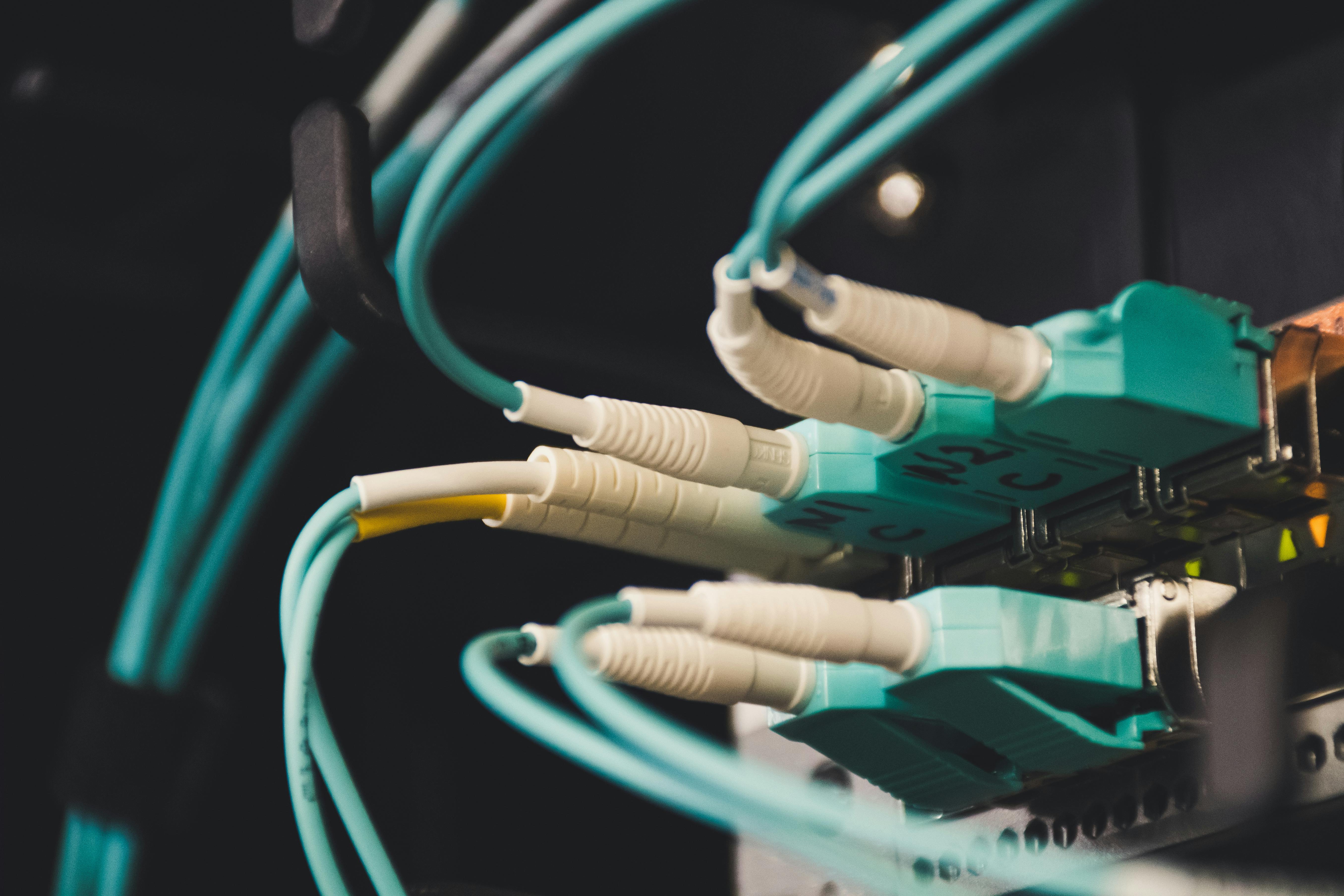
Understanding Subnetting: The Backbone of Scalable Networking
Published: June 15, 2025
🌐 What is Subnetting?
Subnetting is the process of dividing a larger IP network into smaller, more manageable segments known as subnets. It allows efficient use of IP addresses and improves network performance and security.
✨ Key Features of Subnetting
- Efficient IP Usage: Prevents address wastage by allocating only what’s needed.
- Network Isolation: Helps in segmenting departments or services for better control.
- Improved Routing: Smaller routing tables and faster lookups.
- Security: Limits broadcast domains and restricts unauthorized access.
📌 Why is Subnetting Important?
Subnetting isn’t just a theoretical concept—it’s a critical practice in real-world networking. It enhances scalability, minimizes congestion, and optimizes bandwidth by keeping network traffic localized. Without it, modern large-scale networks like ISPs, data centers, and cloud platforms would be chaotic and inefficient.
🛠️ Real-World Applications
- Enterprise Networks: Separating finance, HR, dev, and IT into distinct subnets.
- Data Centers: Logical segmentation for VMs, storage, and internal tools.
- ISPs: Assigning blocks of IP addresses to different customers.
- Cloud Infrastructure: VPCs in AWS or Azure rely on CIDR-based subnetting for architecture.
🔢 Try It Yourself: Subnet Calculator
Subnet Info
- Network Address:
- Broadcast Address:
- First Usable IP:
- Last Usable IP:
- Total Usable Hosts:
- Subnet Mask:
- Wildcard Mask:
🧠 Modern Developments
- IPv6 Subnetting: While IPv4 faces exhaustion, IPv6 offers trillions of addresses, yet subnetting still plays a vital role in structuring and organizing these spaces.
- Automated Subnet Planning Tools: Tools like IPAM automate subnet assignment and tracking.
- Integration with SDN: Subnetting is essential in Software Defined Networks (e.g., Kubernetes networks, VXLAN overlays).
⚠️ Limitations & Drawbacks
- Complexity: Requires careful planning and can be intimidating for beginners.
- Misconfiguration Risks: Poor subnet design can lead to overlap or address conflicts.
- Legacy Issues: Some older systems may not support advanced subnetting techniques.
🚀 Final Thoughts
Subnetting may seem like a dry topic, but it forms the skeleton of every modern network you interact with. Whether configuring a home router, designing enterprise infrastructure, or deploying scalable cloud services—subnetting is quietly at work, keeping everything organized and efficient.